Table of Contents
Daycare for Babies: Finding a Nurturing Environment
Few decisions weigh on a parent’s heart quite like choosing a daycare for babies. You’re not just picking a building or a schedule — you’re entrusting another person with the tiny human who means everything to you. It’s natural to feel a wave of questions: Is daycare good for babies? Will my child be safe? Will they feel loved when I’m not there? If you’re a parent in Coralville or Iowa City wrestling with these very thoughts, you’re not alone, and you’re in the right place.
The truth is that high-quality infant daycare can be one of the most positive experiences in a young child’s life. When babies are cared for in a warm, structured, and nurturing environment, they develop social skills, emotional resilience, and a love of learning that follows them into kindergarten and beyond. The key lies in finding a center that treats your child as an individual — not just a name on a roster.
That’s exactly the philosophy behind Rayan Academy, a trusted early education center located in the heart of Coralville, serving families across Iowa City and surrounding communities. With programs designed for infants as young as six weeks, experienced teachers, and a curriculum rooted in play-based learning, Rayan Academy has earned a 4.8-star rating on Google from parents who’ve experienced the difference firsthand. In this guide, we’ll walk you through everything you need to know about daycare for babies — from what to look for and how to prepare, to the developmental benefits that might just put your mind at ease.
What to Look for in a Daycare for Babies
Finding the best daycare for babies goes far beyond a quick search for “daycare for babies near me.” It means understanding which qualities genuinely protect your child and support their development during the most formative months of life.
Safety and Cleanliness Standards
A quality infant daycare should make safety visible — not something you have to dig for. When touring a center, pay close attention to the environment and ask direct questions. The essentials to evaluate include:
- Secure entry and exit systems that prevent unauthorized access to the building
- Sanitized play surfaces and toys, cleaned on a regular, documented schedule
- Safe sleep practices aligned with current pediatric guidelines, including firm mattresses and clear cribs
- Clear emergency protocols posted visibly, with staff trained in infant CPR and first aid
- Low staff-to-child ratios — the fewer babies per caregiver, the more attentive and responsive the care
At Rayan Academy, health and safety are foundational priorities, with protocols designed to give parents complete peace of mind from drop-off to pick-up.
Qualified, Caring Teachers
Babies don’t need flashcards — they need responsive adults who notice when they’re hungry, tired, curious, or overwhelmed. The difference between adequate daycare and exceptional daycare almost always comes down to the people in the room.
Look for teachers who hold credentials in early childhood education and, just as importantly, who demonstrate genuine warmth and patience during your visit. Ask about staff turnover rates — high turnover disrupts the consistent bonding that babies need to feel secure. A stable, compassionate team creates an emotional anchor that helps infants thrive even when parents aren’t present.
A Thoughtful Daily Routine
Even very young children find comfort in gentle predictability. However, the best infant programs balance structure with flexibility, honoring each baby’s individual rhythm rather than forcing a one-size-fits-all schedule. A well-designed day might flow like this:
- Warm welcome and morning check-in — caregivers greet each baby and note any updates from parents
- Sensory exploration and tummy time — age-appropriate activities that stimulate brain development
- Individualized feeding and rest — following each child’s own schedule, not a rigid group clock
- Music, movement, and soft play — nurturing curiosity through sound, texture, and gentle interaction
- Outdoor time or natural light exposure — supporting circadian rhythm and physical well-being
- Quiet wind-down and parent reunion — ending the day with calm, comforting transitions
The routine should feel purposeful without being rigid — a framework for discovery, not a factory assembly line.
Is Daycare Good for Babies? Understanding the Developmental Benefits
One of the most common concerns parents voice is whether daycare is bad for babies. Decades of research in early childhood education consistently show that high-quality daycare can support — not hinder — healthy development across every domain.
Social and Emotional Growth
From the earliest months, babies are wired for social connection. In a daycare setting, they begin to observe other children, practice turn-taking with toys, and experience a range of emotions in a supported environment.
What does that look like in practice? A six-month-old watches a peer reach for a rattle and mirrors the movement. A one-year-old learns that a caregiver will always come when they cry. A toddler begins to understand that other children have feelings too. These small moments, repeated daily, form the building blocks of empathy, cooperation, and self-confidence that children carry into preschool and beyond. Nurturing teachers guide this process gently — helping babies feel safe enough to explore the social world around them.
Cognitive Development Through Play
Play is not entertainment for babies — it is the primary engine of brain development. During the first two years of life, the brain forms more than one million new neural connections every second, and sensory-rich play experiences directly fuel that growth.
Here’s what purposeful play looks like in a quality infant daycare:
- Sensory bins with safe textures stimulate touch, sight, and fine motor coordination
- Stacking and nesting toys teach cause and effect, spatial reasoning, and persistence
- Textured board books introduce early literacy concepts while strengthening hand-eye coordination
- Mirror play and peek-a-boo games develop self-awareness and object permanence
At Rayan Academy, the learning approach is built around exactly this kind of hands-on exploration — creative thinking activities tailored to each age group, ensuring that even the youngest learners are actively and joyfully engaged.
Early Literacy and Language Skills
You might wonder how “literacy” applies to a baby who can’t yet speak, but language development begins long before a child’s first word. Babies in daycare are immersed in a language-rich environment throughout the day — and the impact is profound.
Teachers narrate daily activities (“Now we’re putting on your shoes!”), read aloud with animated expression, sing repetitive songs that build memory, and engage in back-and-forth “conversations” where they respond to a baby’s coos and babbles as if they’re meaningful — because they are. This responsive communication accelerates vocabulary development, strengthens listening skills, and lays a critical foundation for reading readiness by preschool age.
How to Prepare Your Baby for Daycare
Knowing how to get baby ready for daycare can ease the transition for your entire family. A little planning goes a long way toward making the first days — and weeks — smoother than you might expect.
Start with Short Visits
Before the first full day, schedule a visit to the center with your baby. Let them absorb the sights, sounds, and faces of the new environment while you’re still close by. A gradual introduction typically works best:
- Visit together for 30–60 minutes — let your baby explore while you stay within sight
- Try a short separation of one to two hours — step away briefly while caregivers engage your child
- Build up to a half day — extending time as your baby grows more comfortable
- Transition to the full schedule — by now, familiar faces and routines will feel reassuring
This phased approach reduces separation anxiety for babies and parents alike.
Establish a Consistent Goodbye Ritual
Babies pick up on routines faster than most parents expect. A brief, cheerful goodbye — a kiss on the forehead, a little wave, a special phrase like “See you after nap!” — teaches your child that separations are temporary and that you always come back. Keep it warm but confident. Lingering at the door or returning after you’ve said goodbye can unintentionally heighten anxiety, even when your instinct tells you to stay.
Pack Smart and Label Everything
Daycare essentials for baby typically include bottles, extra clothing, diapers, wipes, and a comfort item like a small blanket or stuffed animal. The golden rule? Label every single item with your child’s name.
Wondering how to label baby bottles for daycare? Waterproof adhesive labels work best — place one on the cap and one on the body of each bottle so they stay paired after washing. A clearly labeled baby bottle bag for daycare helps teachers keep feedings organized, especially in rooms with multiple infants. Non-toxic permanent markers are a quick backup option, though they may fade with repeated sterilization.
Communicate Openly with Your Child’s Teachers
Share everything that helps caregivers understand your baby as an individual — feeding schedules, nap preferences, allergies, what soothes them when they’re upset, and the little things that make them light up. Perhaps your daughter calms down when she hears humming. Maybe your son loves watching ceiling fans. The more details teachers have, the faster they can build the kind of trusting relationship that makes daycare feel like a second home.
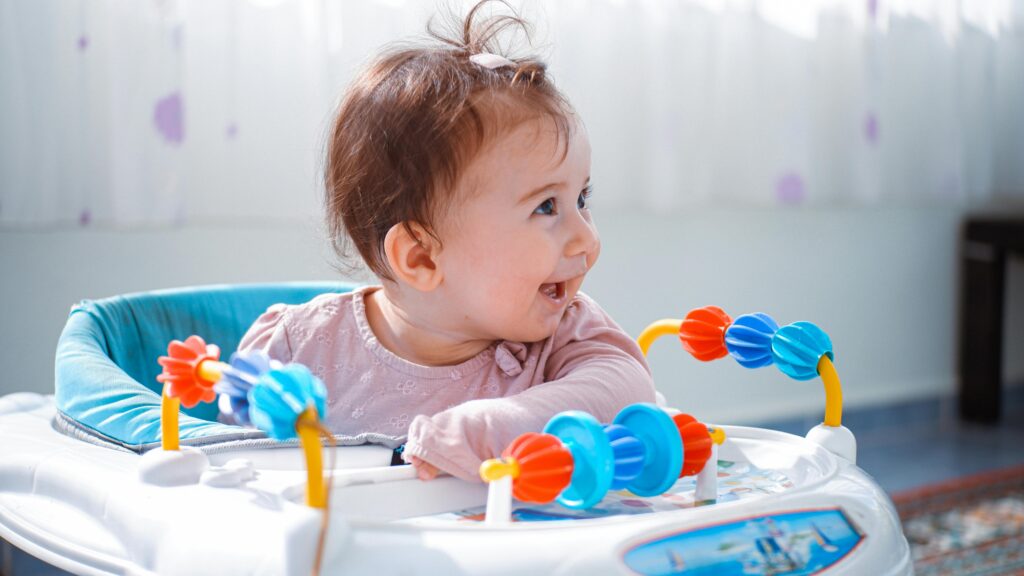
Daycare Options for Babies Under 1 Year: What Parents Should Know
Parents of very young infants often wonder whether daycare options for babies under 1 year even exist — and whether starting that early is the right decision. The answer to both questions can be a reassuring yes, provided you choose a center specifically equipped for this age group.
What Infant Programs Should Include
A quality infant program goes far beyond basic supervision. It should include individualized care plans that respect each baby’s unique developmental timeline, with activities thoughtfully designed for pre-mobile and newly mobile babies alike.
Age-appropriate experiences for infants under one include gentle tummy time to build core strength, mirror play that sparks self-recognition, soft music for auditory development, and texture exploration using safe, varied materials. The environment itself matters too — look for calm lighting, cozy resting areas, and spaces free from overstimulation.
Rayan Academy’s infant and toddler program welcomes babies from six weeks of age, offering a warm and responsive setting where little ones explore, play, and grow at their own pace. With flexible scheduling options — including half-day, full-day, and extended-day plans — families can find the rhythm that fits their unique situation without compromising on quality of care.
Staff Ratios and Individualized Attention
For babies under one year, low staff-to-child ratios aren’t a bonus — they’re a necessity. Infants communicate through cries, body language, and subtle cues that require attentive, unhurried observation. A caregiver responsible for too many babies simply cannot respond quickly enough.
When evaluating a center, ask these specific questions:
- What is the caregiver-to-infant ratio in the room? (Ideally no more than 1:3 or 1:4 for babies under 12 months)
- Are caregivers assigned to specific babies? Primary caregiving models create stronger bonds
- How does the center handle days when a staff member is absent? Backup plans matter for consistency
- Can caregivers describe your baby’s day in detail at pick-up? This reflects genuine attentiveness
Read more about: Daycare and Afterschool Care Tips Every Parent Needs
The Role of Early Education in School Readiness
It might seem premature to think about school readiness when your child is still in diapers, but the foundation is being built right now — one interaction, one experience, one discovery at a time.
Children who attend quality early education programs enter kindergarten with stronger pre-reading skills, better number sense, and more developed social-emotional abilities than peers who did not have similar experiences. The advantage isn’t about academic drilling; it’s about building the curiosity, confidence, and self-regulation that make formal learning possible.
Play-based learning — the approach used by leading early education centers — teaches children to solve problems, collaborate with others, and manage their emotions, all while having fun. These competencies show up every day in real moments: a toddler learning to share a toy, a preschooler sounding out a letter on a sign, a child beaming with pride after completing a puzzle independently.
Rayan Academy’s programs, spanning infants through preschool and Pre-K, are intentionally designed to build these skills in a joyful, pressure-free setting. After-school and summer care options extend that continuity for families who need year-round support, ensuring that learning never takes a pause.
Ready to Find the Right Daycare for Your Baby in Coralville or Iowa City?
Choosing a daycare is deeply personal, and you deserve a center that takes your child’s well-being as seriously as you do. If you’re a parent in Coralville or Iowa City looking for a place where your baby will be safe, cherished, and inspired every day, we’d love for you to see what Rayan Academy offers in person.
Here’s what you’ll find when you visit: experienced teachers who know every child by name, a structured curriculum that makes learning feel like play, transparent tuition with no hidden fees, and flexible schedules built around real family life — not the other way around. The center is conveniently located at 2251 1st Ave, Unit B, Coralville, IA 52241, serving families throughout the Iowa City area.
Take the next step — schedule a tour at a time that works for your family, or explore how to enroll online to begin the process. Walk through the classrooms, meet the teachers, watch how they interact with the children, and trust what you see. Your child’s joyful learning journey is just one visit away.
Frequently Asked Questions About Daycare for Babies
1. When Is the Right Age to Start Daycare for a Baby?
There’s no single “perfect” age — it depends on your family’s needs, your work schedule, and the quality of care available. Many reputable centers, including Rayan Academy, accept infants as young as six weeks. Research suggests that babies who enter a nurturing daycare environment early develop strong social bonds and adapt well to new routines, particularly when caregivers provide consistent, responsive attention. The most important factor isn’t age — it’s the quality of the program.
2. How Do I Choose the Best Daycare for My Baby?
Focus on five core areas: safety protocols, teacher qualifications, staff-to-child ratios, curriculum philosophy, and overall atmosphere. Visit the center in person — no website or brochure can replace the feeling you get when you walk through the door. Observe how staff interact with babies already in their care. Ask about daily routines, emergency procedures, and communication practices. A great daycare will welcome your questions openly and treat you as a partner in your child’s journey, not just a client.
3. How Long Does It Take for a Baby to Adjust to Daycare?
Most babies settle in within two to four weeks, though every child’s timeline is different. Some warm up within days; others need a little longer to feel fully secure. You can support the transition by maintaining a consistent drop-off routine, sending a familiar comfort item, and keeping communication open with teachers. A few tearful mornings are completely normal — and they almost always pass more quickly than parents expect.
4. What Will My Baby Actually Learn in Daycare?
Infant daycare focuses on the developmental areas that matter most during the first years of life: sensory exploration, motor skill development, early language exposure, and emotional bonding. Through activities like tummy time, music, texture play, and interactive reading, babies build the cognitive and physical foundations for all future learning. The goal isn’t academic instruction — it’s joyful, developmentally appropriate engagement that respects your child’s natural pace.
5. How Can I Be Sure My Baby Is Safe at Daycare?
Start by asking detailed questions about the center’s safety policies — secure entry, emergency plans, safe sleep practices, cleaning schedules, and staff training certifications. Check licensing and inspection records through your state’s regulatory agency. Read reviews from other parents. And most importantly, visit the facility yourself. A trustworthy daycare will be completely transparent about their safety standards and genuinely happy to show you everything in action.
Conclusion
Choosing a daycare for babies is one of the most meaningful decisions you’ll make as a parent — and it deserves careful thought, honest research, and a center that earns your trust not just on day one, but every single day after. The right daycare doesn’t simply watch your child; it nurtures their curiosity, supports their emotional growth, and lays the groundwork for a lifetime of confident learning.
For families in Coralville and Iowa City, Rayan Academy stands as a warm, reliable choice — a place where infants, toddlers, and preschoolers are cared for by experienced teachers in a safe, stimulating environment built around each child’s unique needs. From flexible scheduling and transparent tuition to a play-based curriculum that sparks joy and discovery, every detail is designed with your family in mind.
Your baby’s brightest days are ahead. The journey starts with finding a place that feels like home — and Rayan Academy is ready to welcome you.